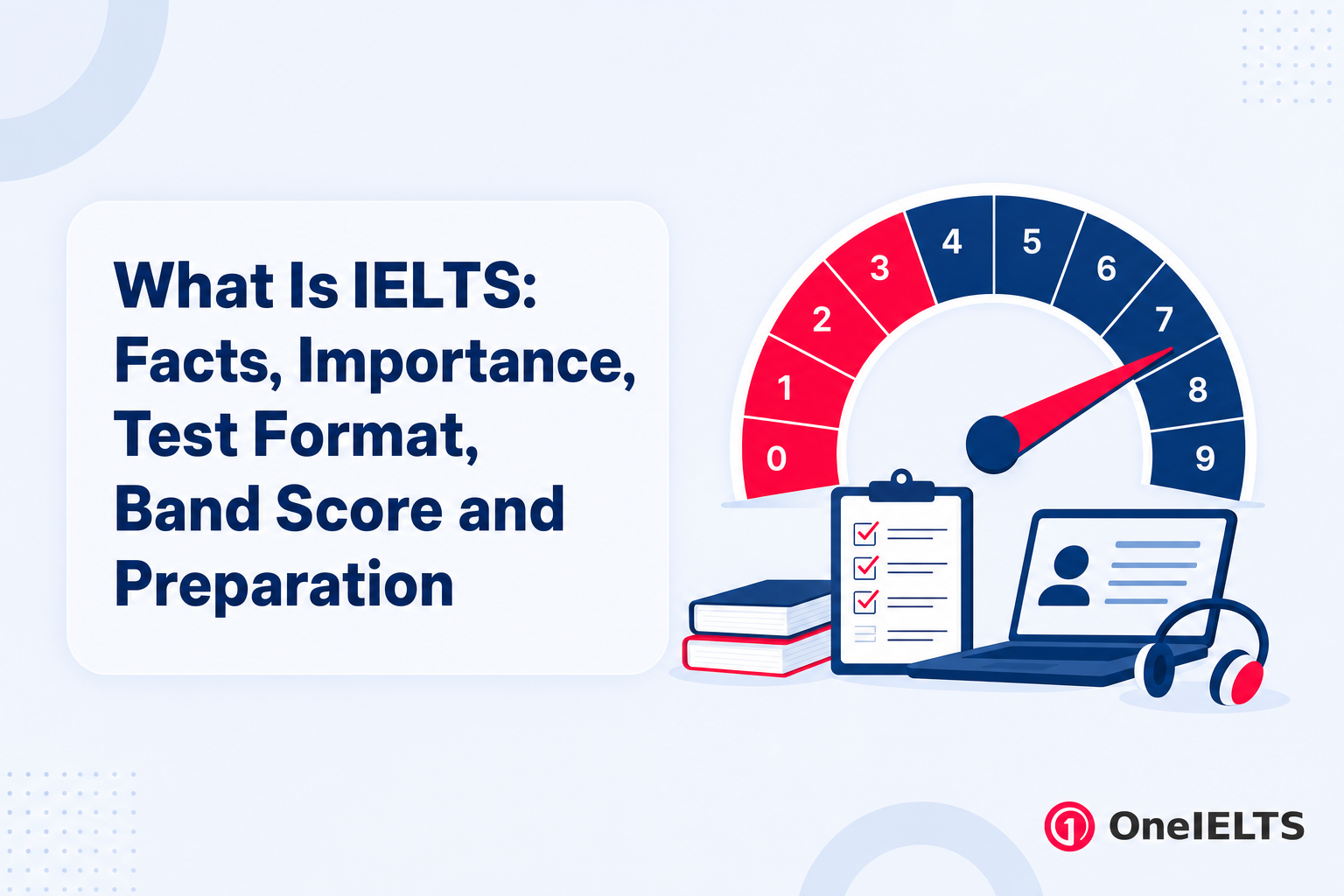
If you plan to study or work in English abroad, the test you most likely need is IELTS, the International English Language Testing System. It comes in two forms — IELTS Academic and IELTS General Training — and works as the English language proficiency test that universities and immigration authorities trust. The same band score […]

If you are heading to university or registering with a professional body, IELTS Academic is the test you sit for university admission and registration. It scores you on a band scale from 0 to 9 across four skills. Only its Reading and Writing modules differ from General Training: you read academic passages drawn from journals, […]

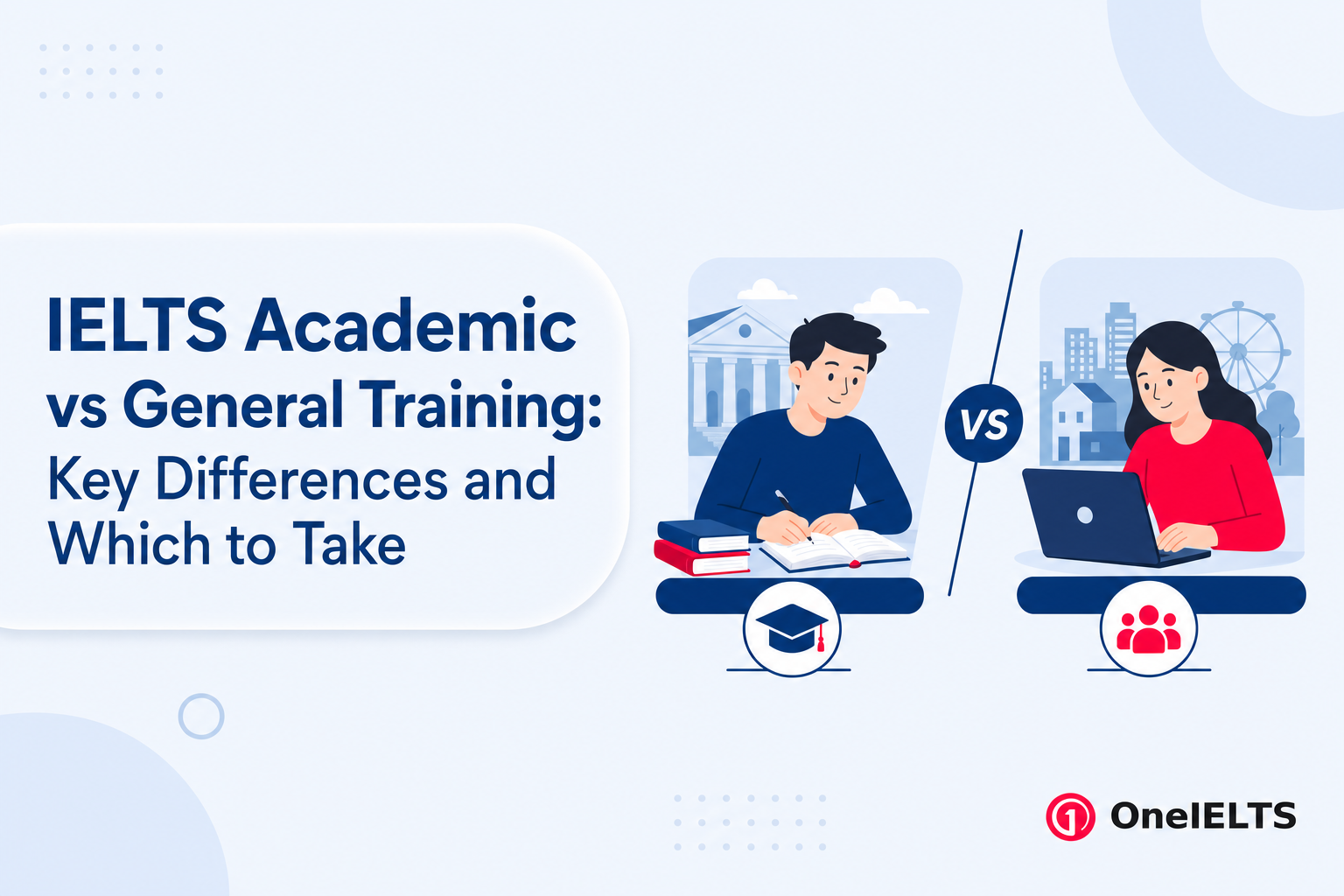
Choosing between IELTS Academic and IELTS General Training comes down to your destination, not which paper feels harder. IELTS Academic suits university admission and professional registration. IELTS General Training suits migration, work, and below-degree study. The two share an identical Listening and Speaking section and the same 1-9 band scale; only Reading and Writing Task […]

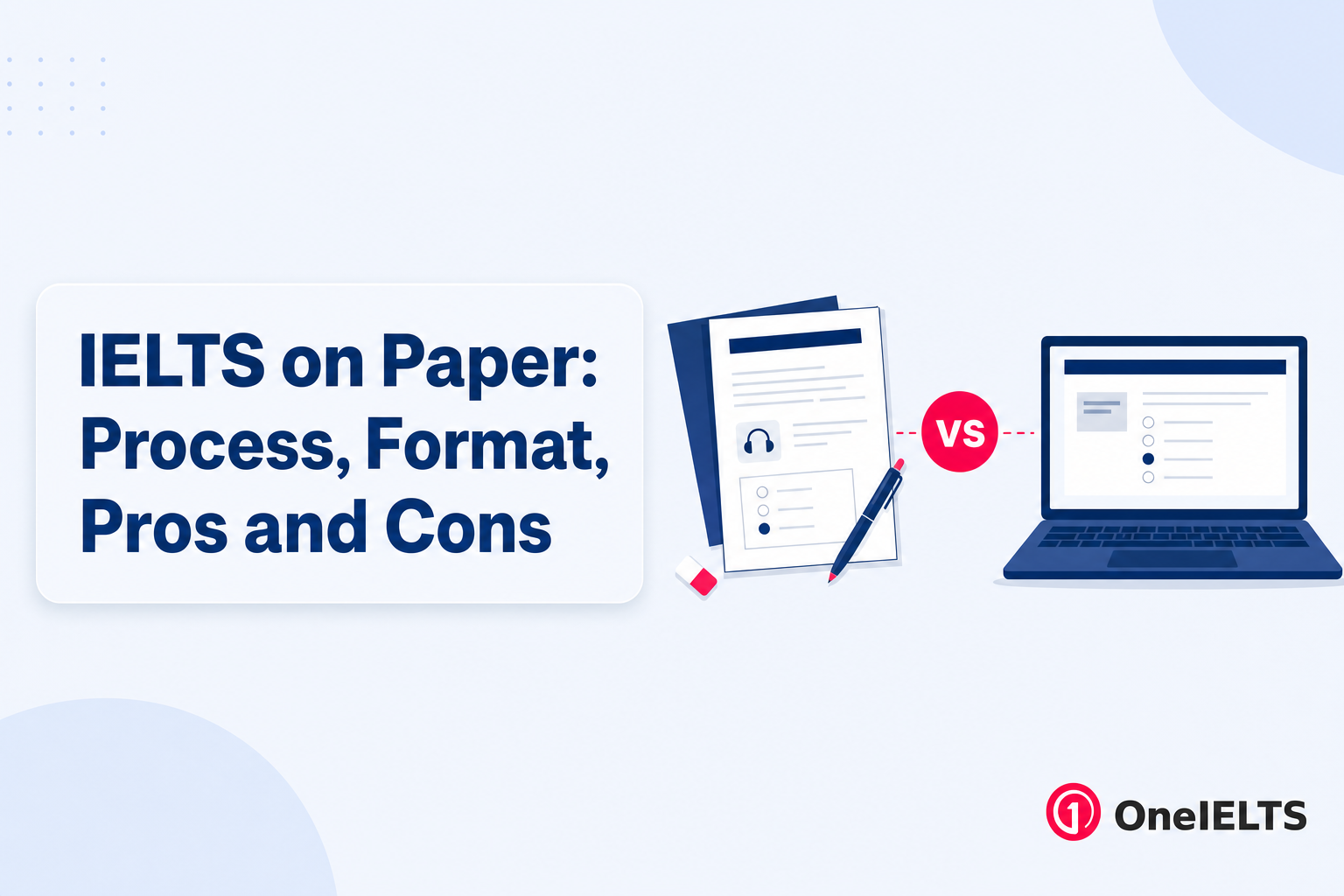
If you sit IELTS on paper, you write your Listening, Reading, and Writing answers by hand at a test centre, then speak face-to-face with an examiner on a separate day. The paper-based IELTS keeps all four sections and the same band scale as the computer test, so only the medium changes, not the content or […]

If you are moving abroad for work or settlement, the test most immigration programmes ask for is IELTS General Training, not Academic. It measures the everyday and workplace texts you actually read and the practical English you use on the job. That focus on migration and work is the only real difference from Academic, because […]

An IELTS examiner is a certified teacher who marks the Speaking and Writing tests against official band descriptors. Listening and Reading are scored from an answer key instead. The job is gated by your teaching credentials, not by your own IELTS result. You need a degree, a recognised teaching qualification such as CELTA/DELTA, and real […]

The honest answer is that IELTS difficulty is relative, not absolute: the test feels as hard as the gap between your current English and your band target. A 6.0 is within reach for most candidates after a few weeks of practice. Each half-band above 7.0, though, takes disproportionately more work, and the Writing section is […]

The benefits of IELTS come down to one thing: it opens doors that stay shut without proof of English. One sitting can unlock study work migration plans in more than 140 countries, which is why global recognition tops every list. The seven benefits below run in order — recognition, visas, careers, real-world fluency, flexible formats, […]

Which IELTS you sit is decided by the body that reads your score, not by you. A university wants IELTS Academic, while a UK visa caseworker wants IELTS for UKVI or IELTS Life Skills. That split is why one applicant often sits two different tests. There are four types of IELTS in everyday use: Academic […]

Choosing between the paper and computer IELTS comes down to one fact: the paper vs computer IELTS choice changes nothing about your score, because the content and identical scoring are the same on both. So you decide on results speed, test dates, and whether typing vs writing feels faster for you. This guide defines both […]

If you are booking IELTS today, the computer-delivered IELTS is the standard option at most test centres. It is the same exam answered on screen instead of on paper, sitting the same four sections scored on the same nine-band scale. This guide defines the computer-based IELTS, explains how it works, weighs its pros and cons, […]

Sitting the IELTS exam means working through four sections — Listening, Reading, Writing and Speaking — in a single block of about 2 hours 45 minutes, then reporting one set of band scores. That structure is the IELTS exam format: four skills tested separately, each marked on the same 0–9 band scale, with Academic vs […]